

It was a moment to celebrate: the Gerald R. Ford Museum and Library had just signed a contract to host our traveling exhibit “Plymouth 1620-2020, An American Story—A National Legacy” at two venues: fall/2017 and winter/2018. It appeared the work that began in 2012 was taking root; all that remained was to build the exhibit.
This exhibit fulfilled the “Road to Plymouth” Mobile Marketing Signature Event as described in the Plymouth 400 Prospectus. Other Signature Events planned included an Embarkation Festival, a Youth Conference, a Sunrise Commemoration, and a visit by the Queen of England.
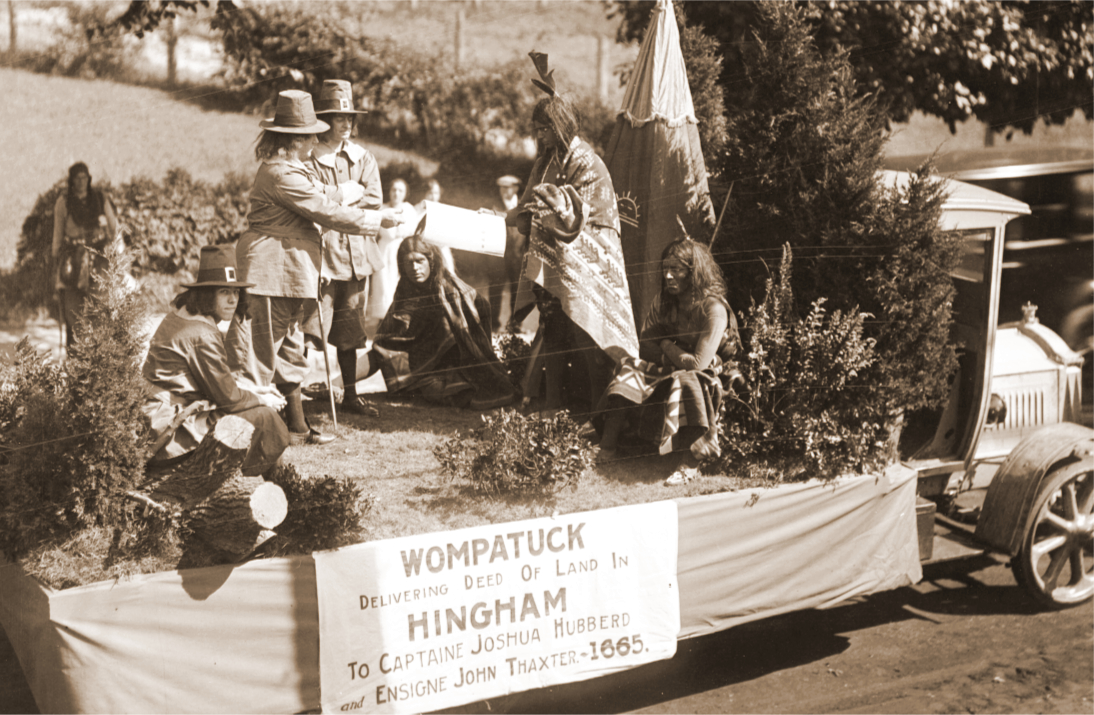
The Quadricentennial hoped to be as grand as the Tercentennial in 1921. That celebration lasted from June to September 1921 and at that time was the largest-ever national celebration. It featured 1,200 costumed participants and a 300-person chorus who took part in a parade and paegent attended by and estimated 100,000 people. The shoreline of Plymouth was modified by tearing down warehouses and shops to make way for a grand edifice to place the ever-shrinking Plymouth Rock. Coles Hill, the first cemetery of the colonists, was made into a park, and the statue of Massasoit cast and installed for the occassion.
Our first workshop was held with business leaders affiliated with Plymouth 400, including the well-known Plymouth booster Edward Santos. Other participants were the director of Pilgrim Hall, Anne Berry, and Paul Jehle of the New Testament Church. Anne’s knowledge of the events that made up “Jamestown 2007”, which included the Godspeed Sail project, which visited several ports along the East Coast, did much to inform the Plymouth program.
Content•Design held the first workshop with exhibit developer Mary Angela Hardwick, now VP of Education at Historic Annapolis, where we began building a program that featured the universal ideas of self-determination, courage in the face of adversity, and working with cultures very different from your own. Later workshops included Richard Pickering of Plimoth Patuxet, Patrick Browne, and Donna Curtin, new consecutive Pilgrim Hall Museum directors, Walter Powell, then director of the Mayflower Descendants. Linda Coombs, author and historian of the Wampanoag Aquinnah tribe, brought the tribal perspective that became the Watching and Waiting gallery. The Wampanoag knew there was something very different about this landing by the white folks, women, and children arrived alongside the men for the first time. Carrie Brown, an independent exhibit developer and writer, prepared the final content outline and first draft of exhibit text.
The exhibit could be purchased as a 3500 or 4700 sf installation and had a build budget at that time of approximately $750,000.; however, the state of Massachusetts did not support Plymouth, and funding never materialized. Below are most of the major exhibit components and experience the fly-through created by Mark Barnet, a designer based in Austin, Texas.
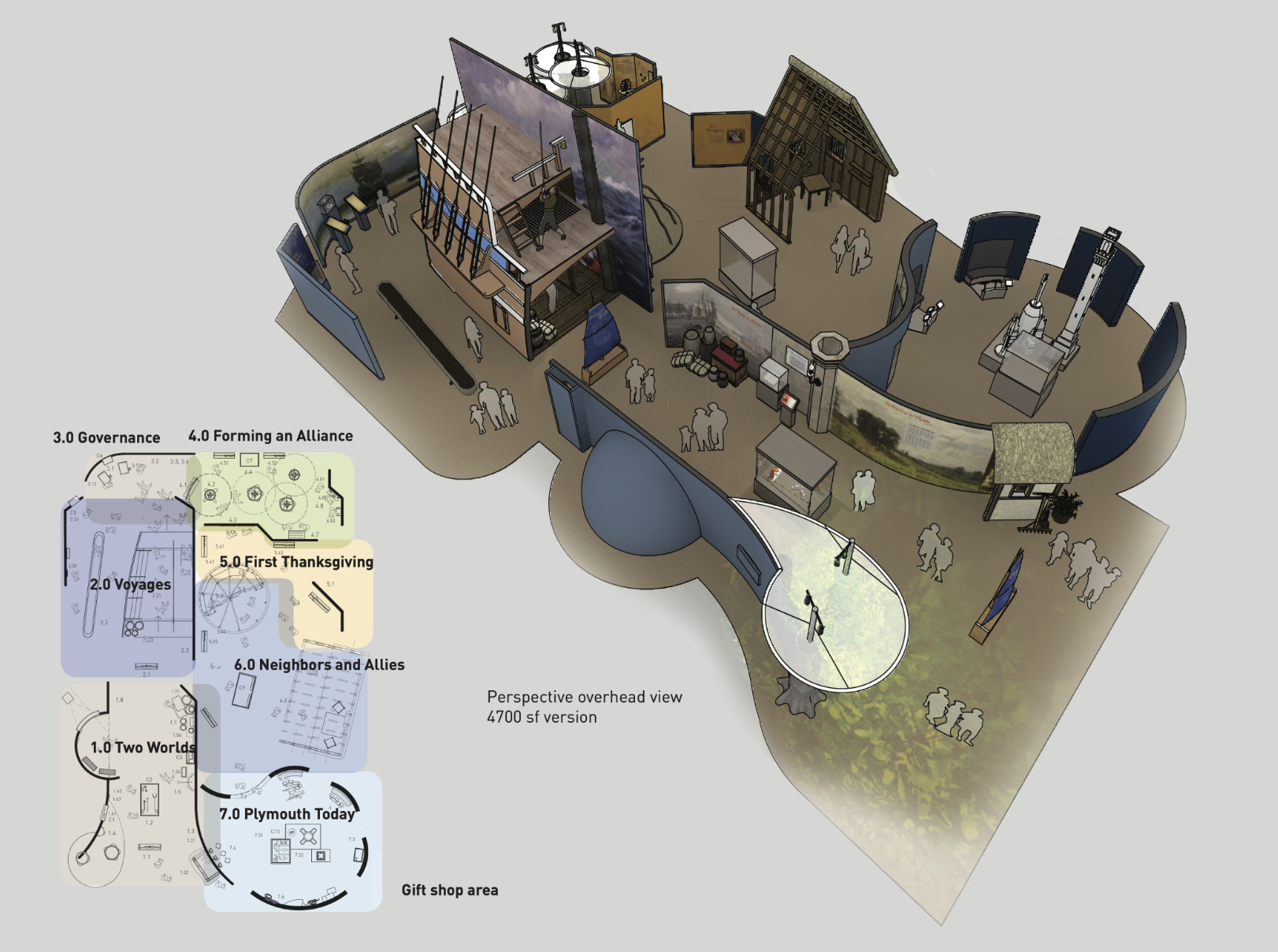
Exhibit Plan
A modular exhibit plan was prepared for two venue sizes. Our target institutions were presidential libraries and state history museums, when the Gerald R. Ford Presidential Library sign a contract, the Houston Museum of Natural Science was in discussion with Plymouth 400 for another venue?
Two Worlds
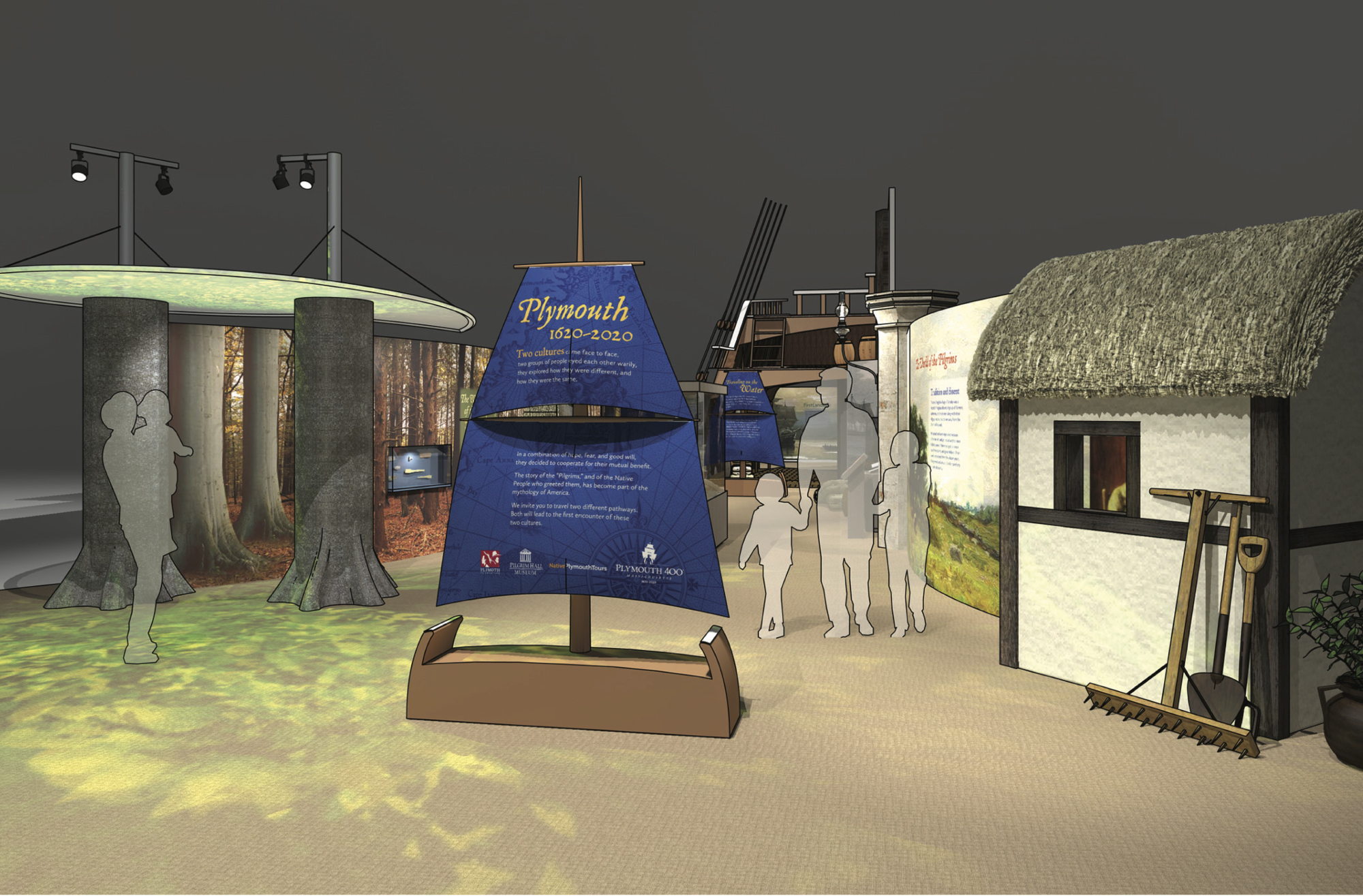
In the year 1620, in a place now called Plymouth, two cultures came face to face. Two groups of people eyed each other warily. They were different in many ways -- language, government, traditions, and beliefs. How would they get along? The story of the “Pilgrims” and of the Native people greeting them has become part of the mythology of America. How much of it is true? How has it shaped the world we live in today? What can we learn from that encounter? To explore those questions, we invite you to travel two different pathways. Both will lead you to that first meeting in Plymouth.
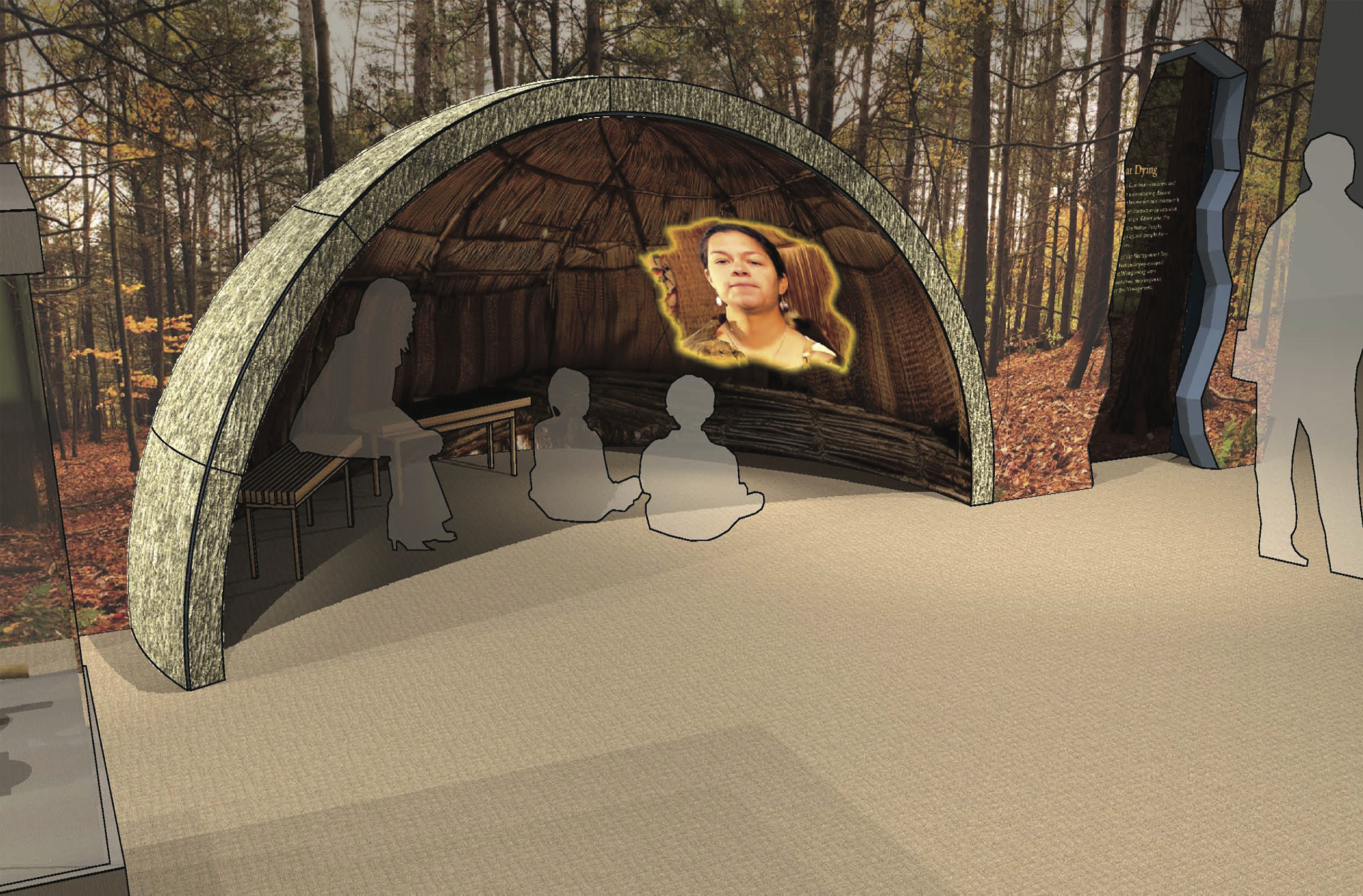
The World of the Wampanoag
Native people inhabited the land that is now called New England. They lived in relationship with the land, and sustained themselves by hunting, fishing, and gathering. For nearly two thousand years before the arrival of Europeans, they planted corn, beans, squash and other vegetables. They shaped the forest to increase game, and developed many ways to catch fish in both fresh and salt water. In summer, they lived near coasts, in family planting sites. In winter, Native people moved inland for shelter in the woodlands, living in villages away from the cold offshore winds.
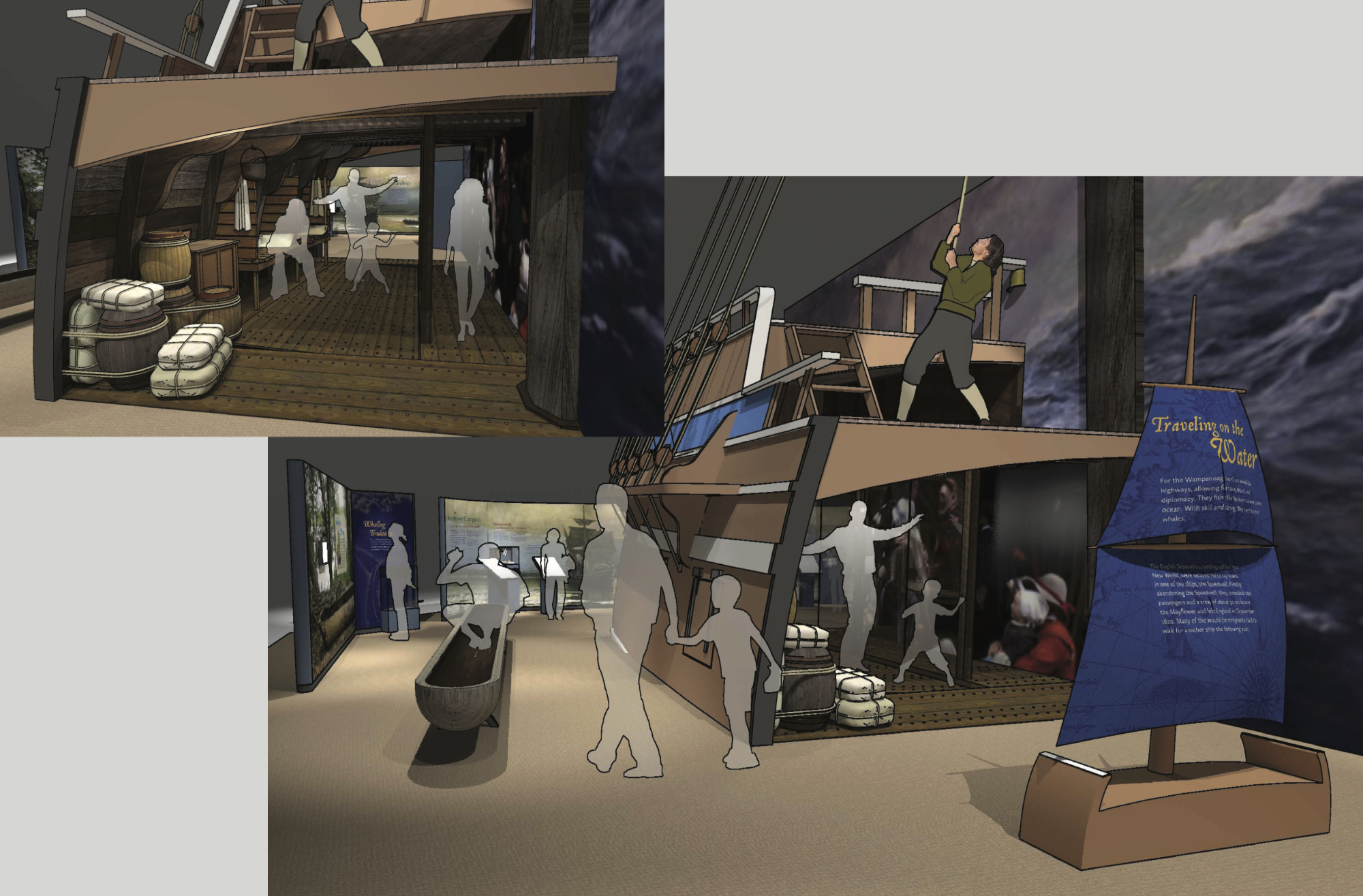
Voyages
For the Wampanoag, the rivers were their highways, allowing for trade, travel, and diplomacy. With knowledge of the waters and the constellations, people navigated dugout canoes in the ocean, up and down the coast, and up rivers as far as the Great Lakes. Trade and kinship networks were extensive and important. The English Separatists, setting sail for the New World, were delayed twice by leaks in one of the ships, the Speedwell. Finally abandoning the Speedwell, they crowded 102 passengers and a crew of about 30 on board the Mayflower and left England in September 6, 1620. Many of the would-be emigrants had to wait for other ships in the following years.
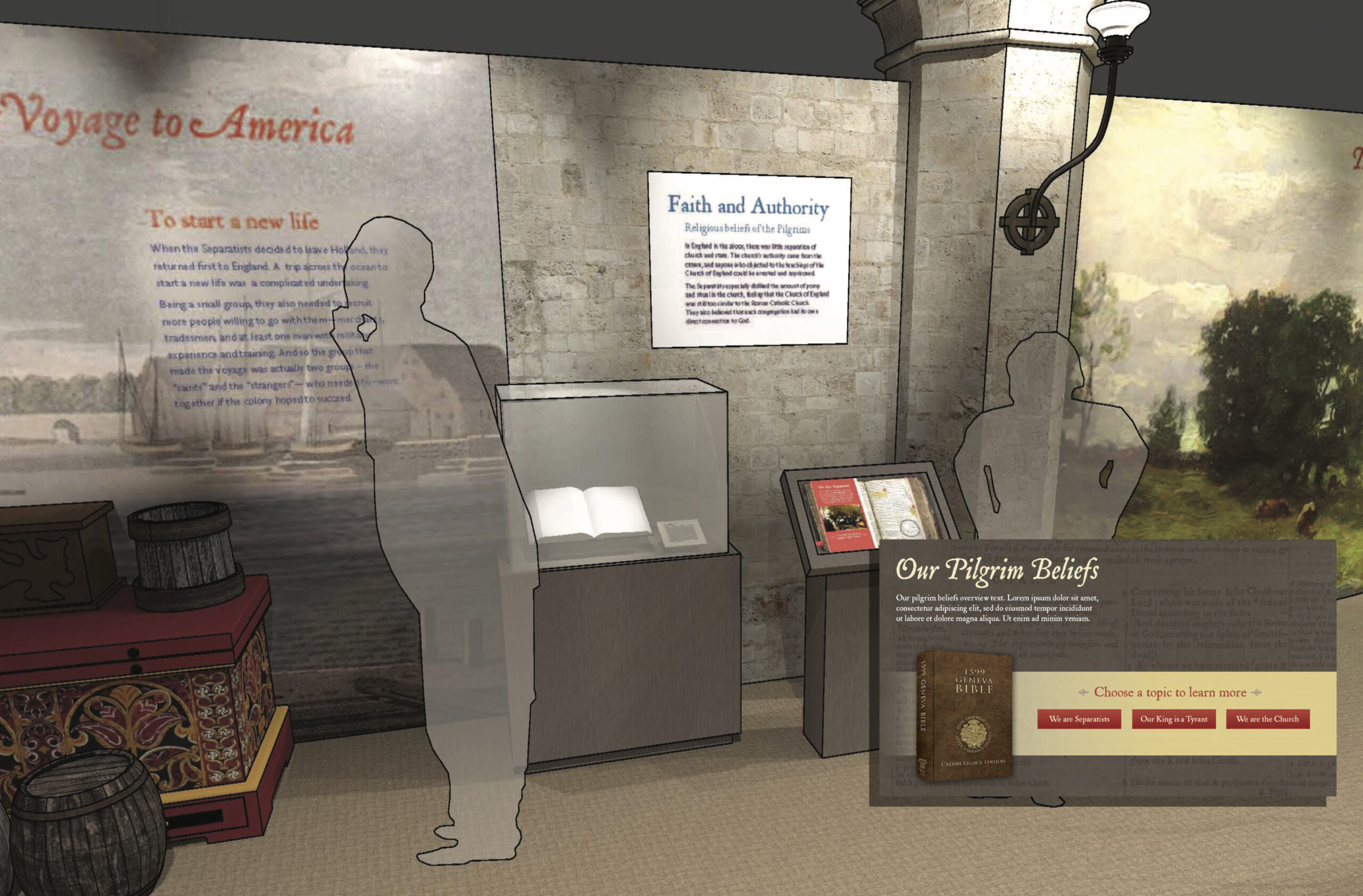
The World of the Pilgrims
The Pilgrims were part of one of the great upheavals in the history of religion. For hundreds of years, the Roman Catholic Church dominated religious life in Europe. Then in the early 1500s, across Europe, groups began to protest and break away. In 1534, England split away from the Catholic Church and established the Church of England, but that was not the end of the turmoil. By the late 1500s, Puritans were calling for further reform. Even more discontent, a group called Separatists wanted to leave the Church of England entirely. They believed that remaining in the established church violated the very essence of their faith.
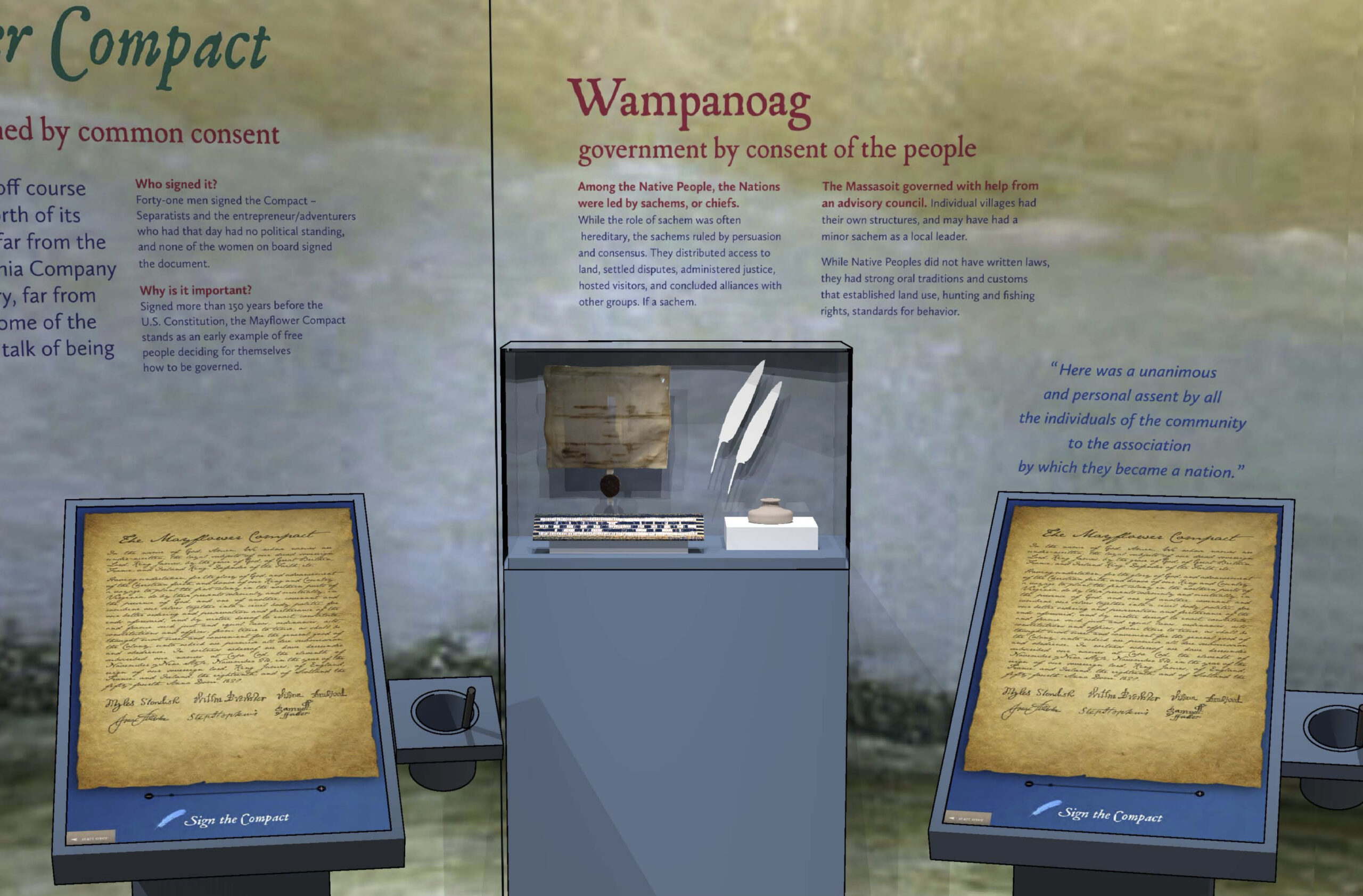
The Mayflower Compact
The Mayflower Compact A pledge to be governed by common consent Why was it necessary? The Mayflower reached land several hundred miles north of its goal, far from the place granted by the London Virginia Company. In this new territory, some of the people on board began to talk of being free of any laws. After heated discussion, the passengers agreed to sign a document that would govern them while they waited for a new legal charter to come from England.
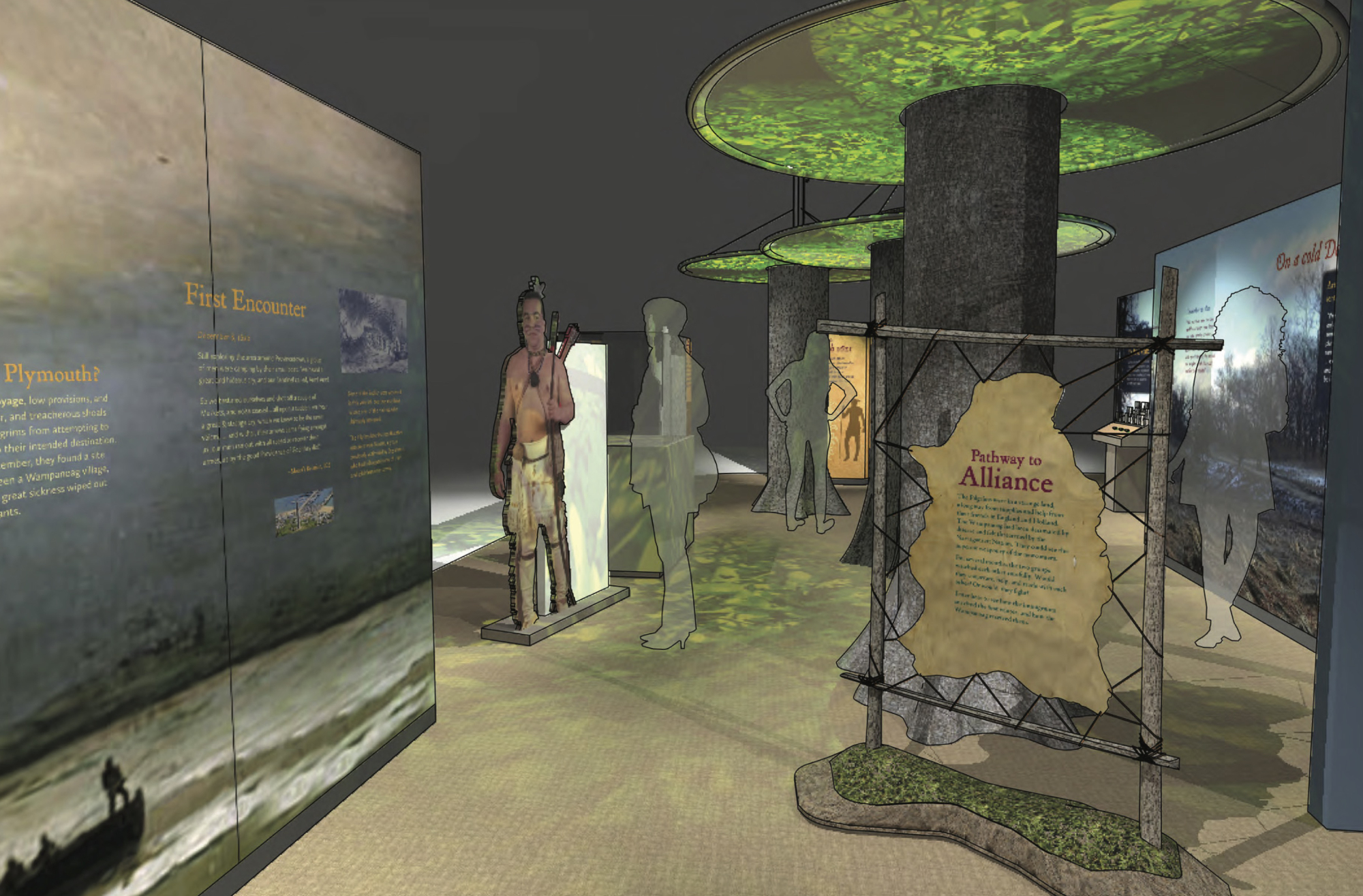
Watching and Waiting
The Pilgrims were in a strange land, a long way from supplies or help from their friends in England and Holland. With the New England winter setting in, they were in great danger from hunger, cold, and disease. As the winter progressed, many died. Bodies of the dead were brought ashore and buried without ceremony in unmarked graves. The Wampanoag had lost thousands of people between 1616 and 1618. A disease brought by European fisherman and traders had swept down the coast and through the middle of their territory. The neighboring Narragansett now greatly outnumbered the Wampanoag, and the Narragansett began to pressure them for tribute. For several months, the Wampanoag watched the Pilgrims, and the Pilgrims watched for signs of the Native inhabitants.
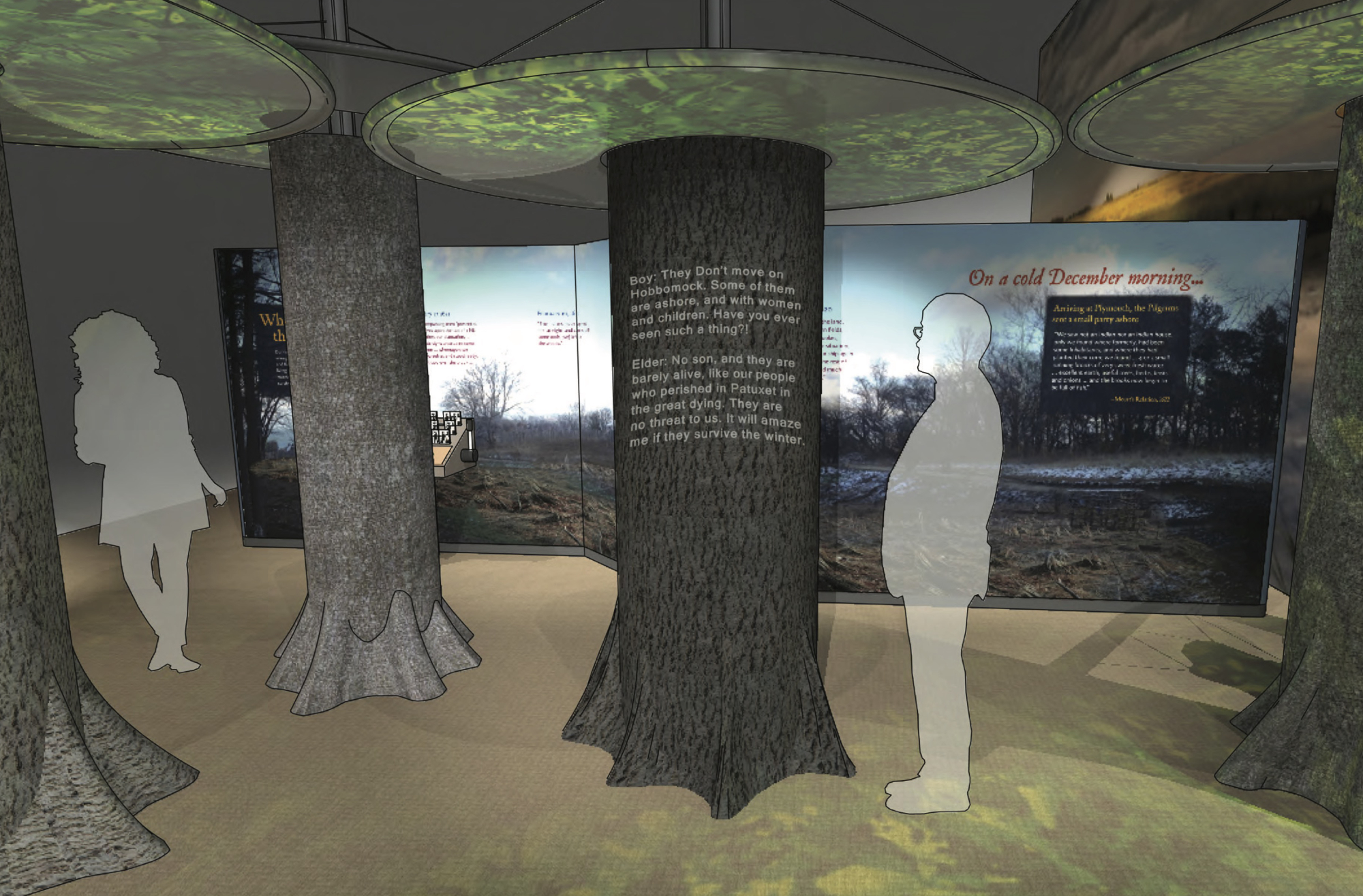
Watching and Waiting
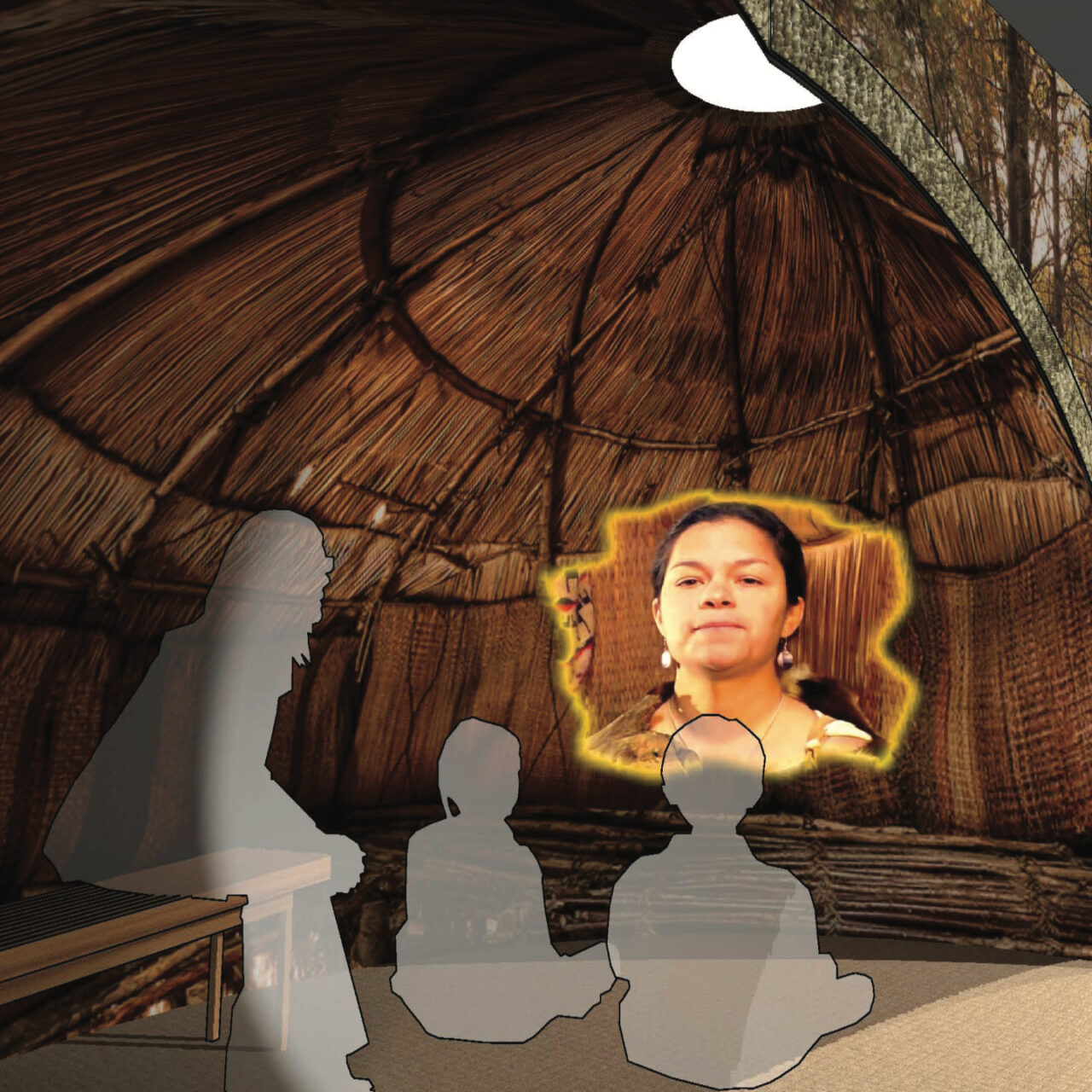
From the edges of the forest, the Wampanoag watched as the English gradually began to settle in the abandoned village of Patuxet. An imagined conversation between an elder and a young boy suggests their reaction to the newcomers.
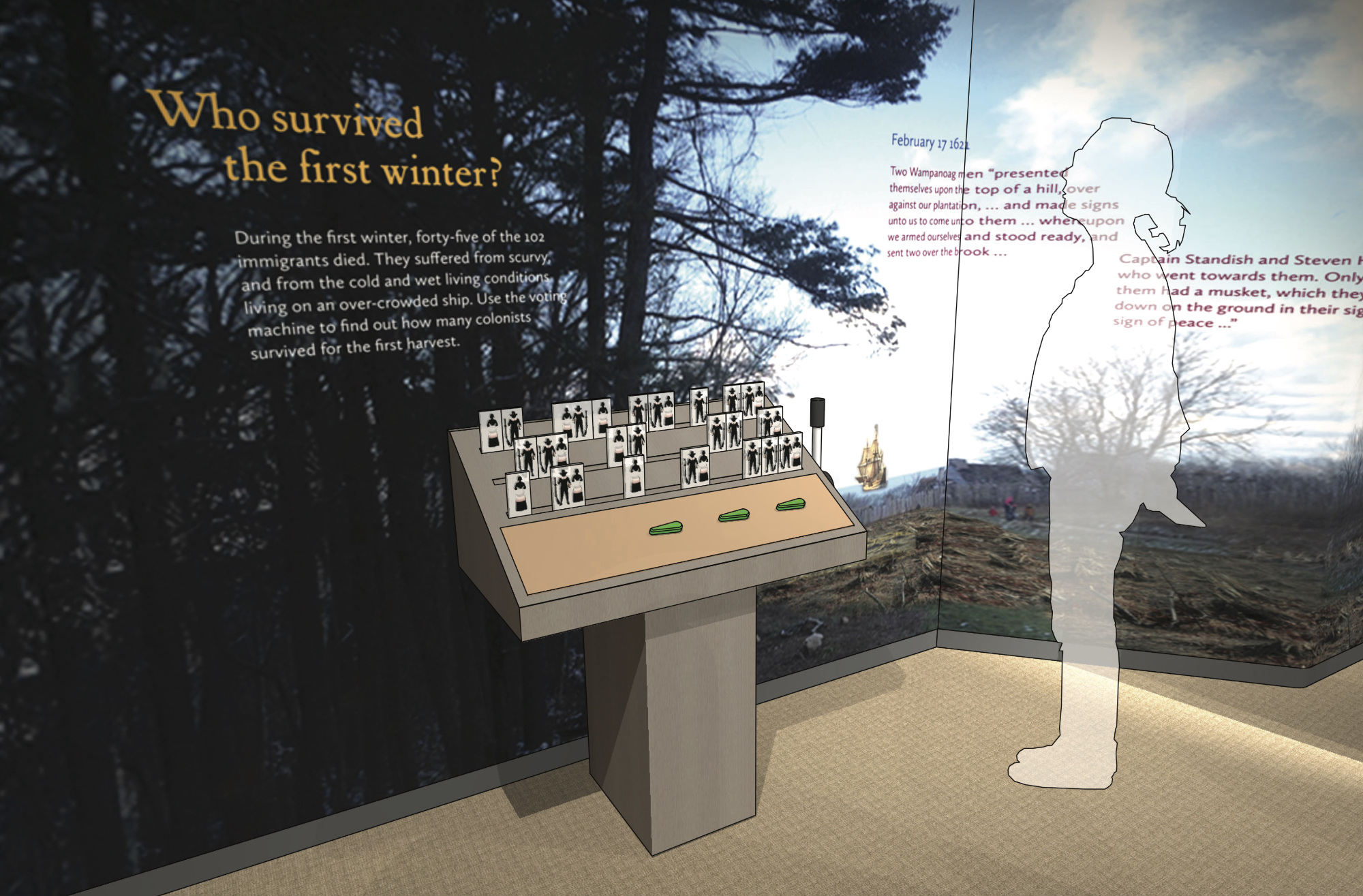
Who Survived the First Winter?
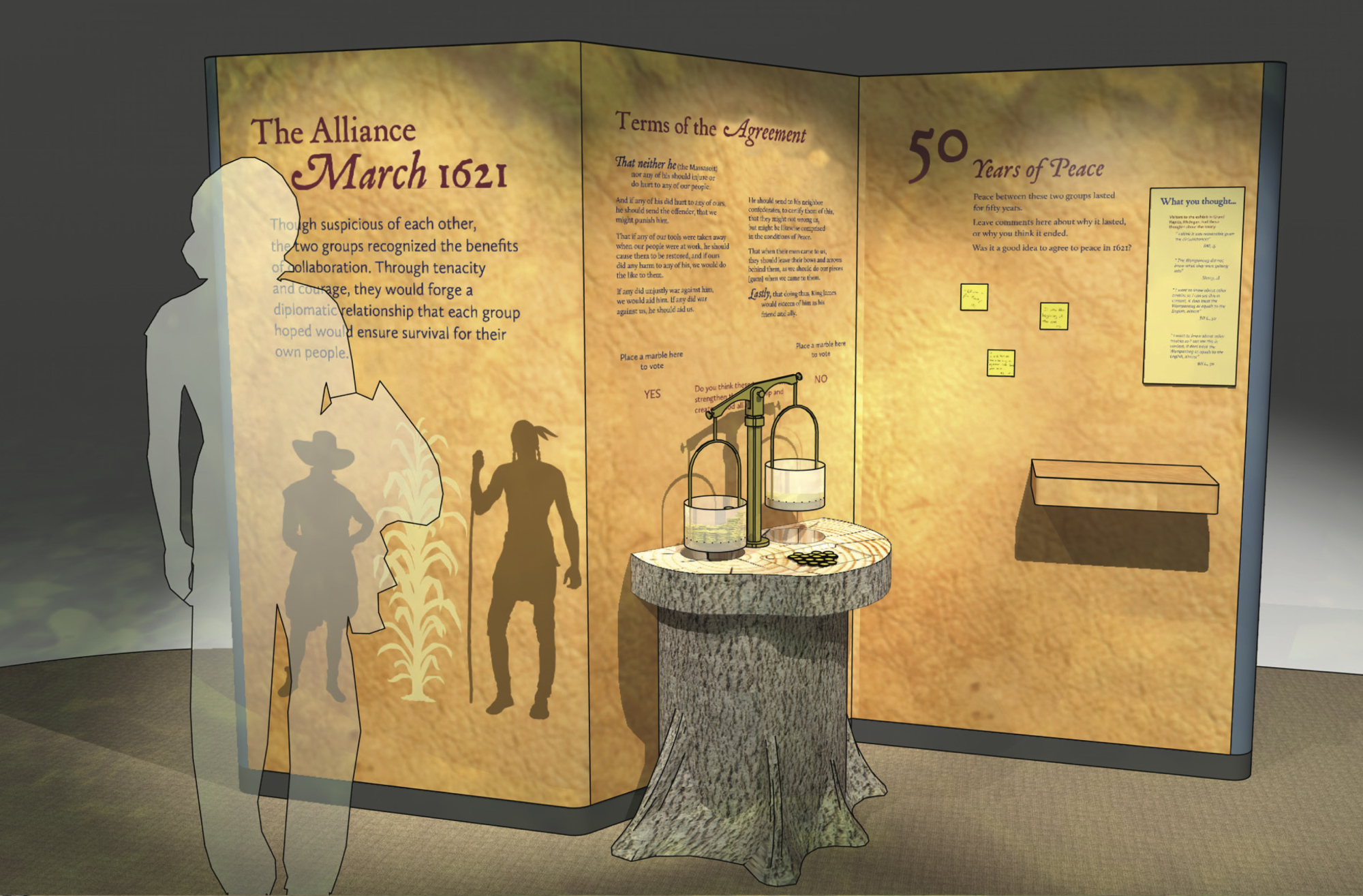
The Alliance
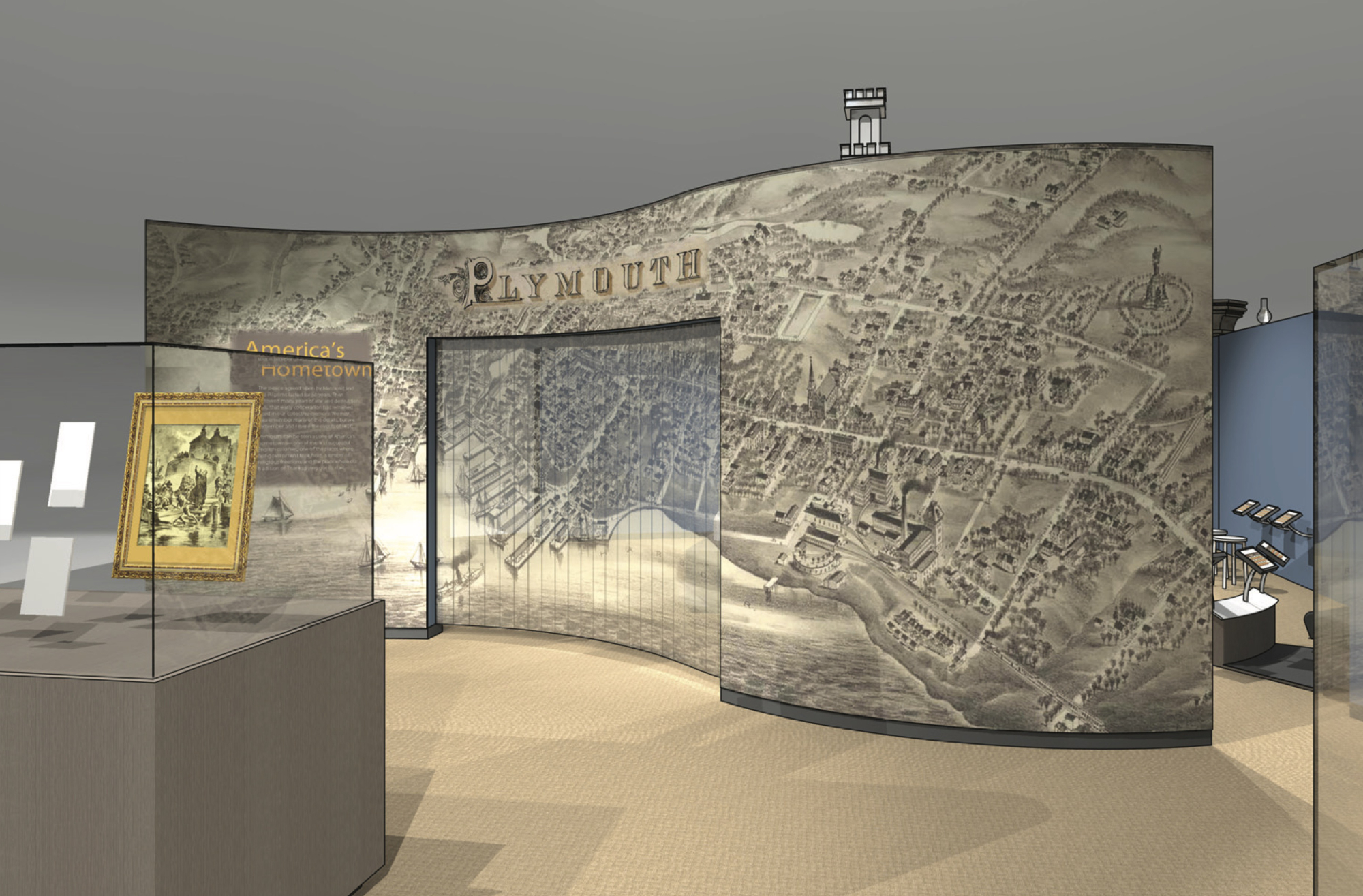
Plymouth's Legacy
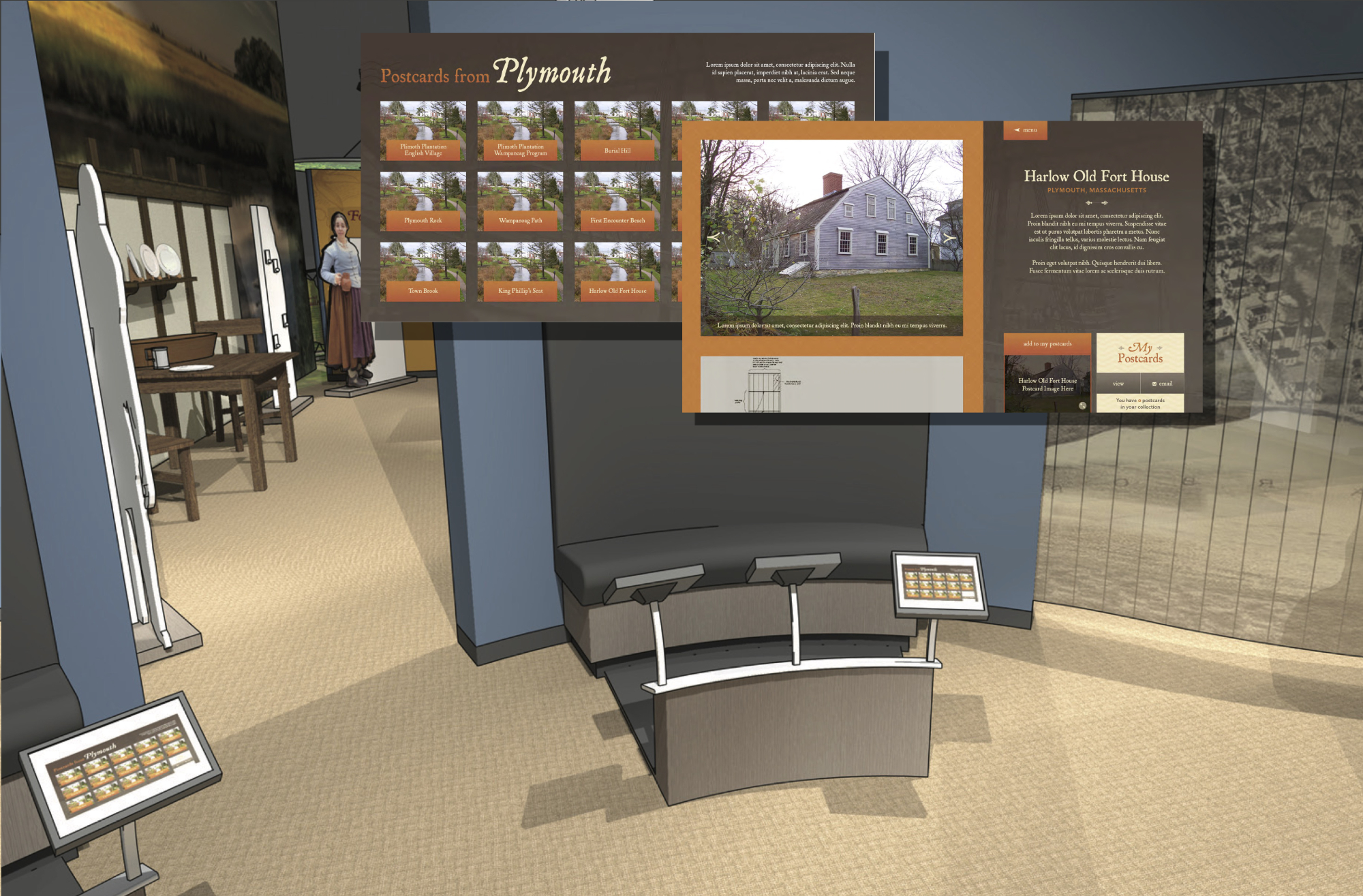
Postcard Stations
